
Did you know…
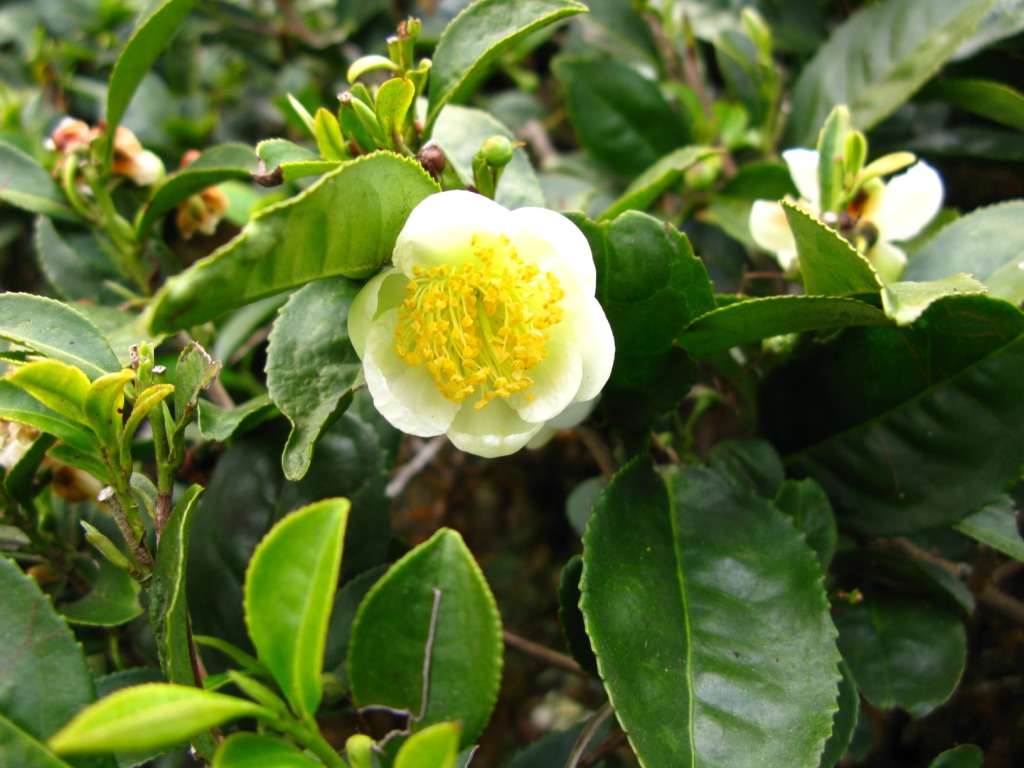
The very same plant that produces green tea, also produces black, white, and oolong tea? Camellia sinensis originated in Southern China but is now grown globally in tropical and temperate climates. Camellia is a versatile herb that produces differing flavors depending on the age of the leaves when picked, the season, and processing. The tea leaves have been known to be supportive for cardiovascular health by lowering bad cholesterol and normalizing blood pressure. Additionally, the bitterness of the leaves have been shown to support healthy digestion & weight management, by helping break down fat and aiding metabolism.
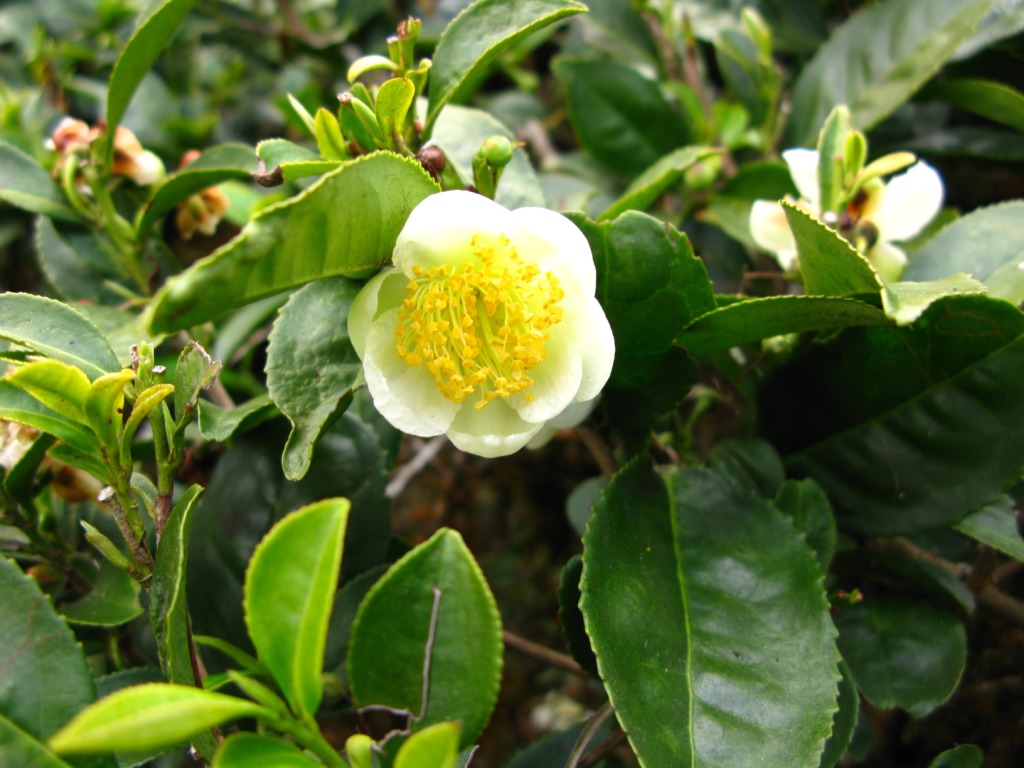
This precious bush is also high in antioxidants. Antioxidants are nutrients that protect against cell damage. While antioxidants are supportive of overall vitality, they may also be anti-cancer and reduce excessive inflammation.
On top of it all, Camellia is high in L-theanine which is an amino acid that promotes calm and relaxation. The amino acid works in synergy with the caffeine to promote energy & focus, but without the uncomfortable edge associated with coffee or sodas.
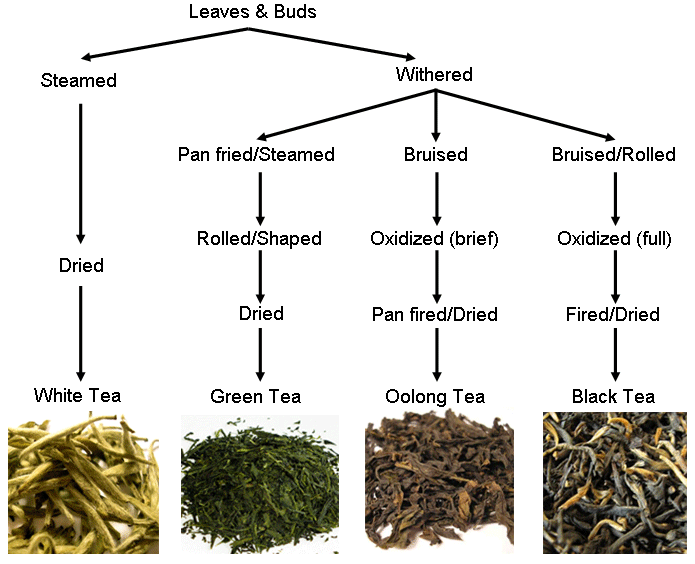
Just like flavor, these impressive medicinal benefits differ depending on the processing of the plant. This blog will go over the 4 preparations of Camellia- the processing, prominent benefits, and how-to-drink. Today we’ll explore white and green tea – come back for part 2 next week to learn about oolong and black tea!
White Tea
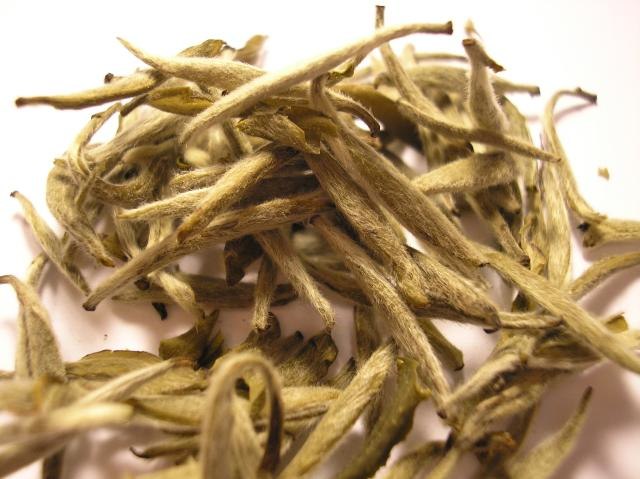
White tea is the least processed of all the Camellias. Upon picking, the leaves are allowed to air-dry. The only heat would be the sun, which will allow natural oxidation to occur. This will cause the leaves to lose their vibrant green color and become “white”. The minimal processing allows for the plant to maintain high concentrations of other nutrients like L-theanine. The cooking of the plant is what brings out the caffeine, so white tea has the least caffeine out of all variations. This may be ideal to someone looking for a gentler energy boost while still supporting alertness.
The anti-inflammatory properties of white tea have made it very popular in skin care. You may notice many body care products boasting white tea as an ingredient. You can brew a cup of white tea and use it as a hair rinse or add it to powdered face masks to improve the shine of your skin and hair.
White tea has a very light and somewhat sweet flavor profile. It may have grassy and fruity notes. Many Smile staff enjoy White Pear and Mango, which has a soft fragrance, dried pear pieces, and natural flavors. To prepare white tea, you would want to bring the water to boil, but let it rest for about 3 minutes before pouring. If the water is too hot it can create an undesirable bitter taste. It does not need to be brewed longer than 3 minutes and you may reuse the tea bag multiple times. This way, you can enjoy the subtle flavors as opposed to a heavy bitterness.
Green Tea
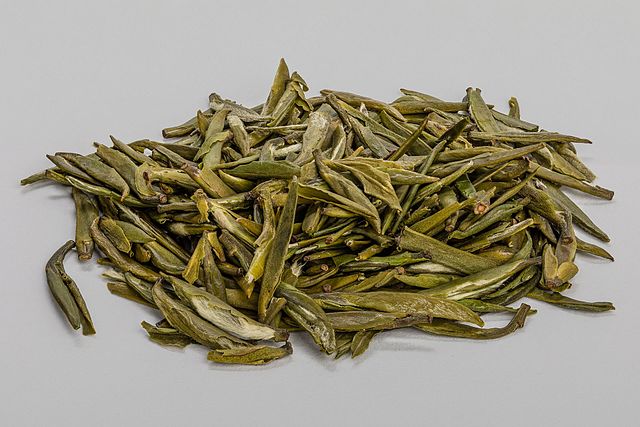
Green tea is the most studied preparation of Camellia. Upon picking, the leaves are pan-fried or steamed. This stops the oxidation process and allows the leaves to maintain their vibrant green color. The green is chlorophyll, which is very nutritious and supportive to individuals looking for essential minerals and support with gentle cleansing. Among the variations of Camellia, matcha – which is powdered green tea – has the highest amount of L-theanine and chlorophyll.
Green tea has a delicate grassy flavor. Some may even consider it nutty. The flavor pairs very well with fruits, berries, and mints. One of my favorite green tea blends at Smile is Enchanted Forest. The tea smells like alluring perfume with complements of maté, coconut flakes, roses, purple coneflower, and natural flavors. Like white tea, green tea is most enjoyable when you allow the boiling water to rest for 3 minutes before pouring over the leaves. This will reduce bitterness. You can also use the same leaves multiple times.
Join us next week to learn about the other two forms of C. sinensis: Oolong and Black teas!
For More Information:
Smile Herb Blogs: Tea
A Comprehensive Insight on the Health Benefits and Phytoconstituents of Camellia sinensis and Recent Approaches for Its Quality Control
Tea 102: Tea Processing
[/vc_column_text][/vc_column][/vc_row]
The post The Camellias – A Cup of Variety appeared first on Smile Herb School.
